All You Required to Know Concerning the VR6 Engine: Truths and Insights
The VR6 engine represents a notable improvement in vehicle design. Its one-of-a-kind layout merges the attributes of V6 and inline engines, supplying benefits in power and performance. Presented by Volkswagen, it has actually established a reputation in various preferred models. As the industry moves towards electrification, the VR6 encounters brand-new challenges. What does the future hold for this legendary engine? Exploring its engineering and performance may expose surprising understandings.
The Design Behind the VR6 Engine
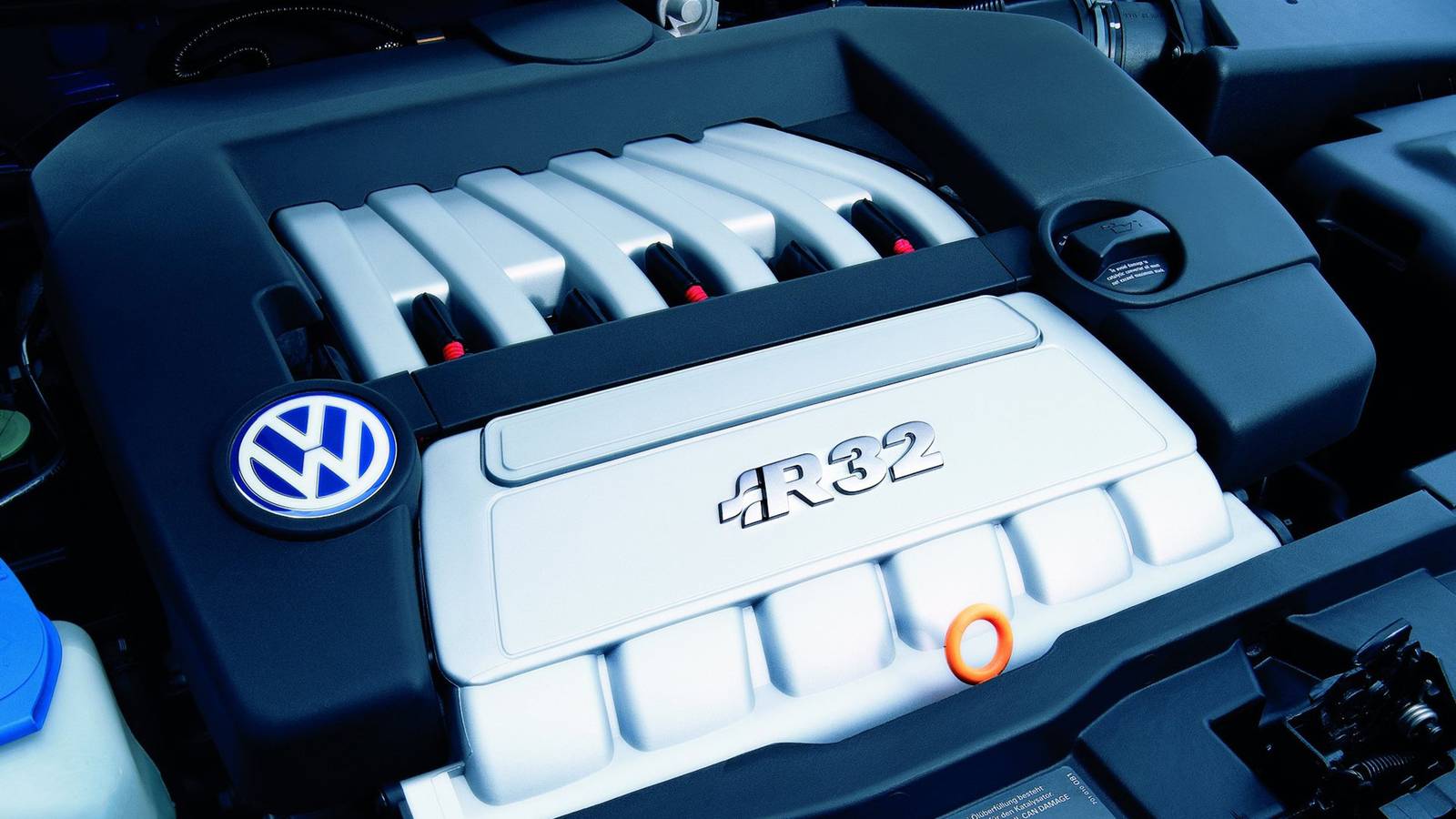
Although the VR6 engine may seem a complex style, its design concepts are rooted in a mix of effectiveness and efficiency. This special setup incorporates the characteristics of a V6 and an inline engine, permitting a compact design that suits smaller engine bays. The VR6 includes a slim angle between the cylinder financial institutions, usually around 15 levels, which minimizes general size while keeping a smooth power delivery. Furthermore, the engine employs a single cylinder head, streamlining production and maintenance. This layout improves thermal efficiency and minimizes weight, adding to enhanced handling and responsiveness. With its equilibrium of power and compactness, the VR6 stays a noteworthy accomplishment in vehicle design, appealing to both efficiency lovers and everyday vehicle drivers alike.
Historical Relevance of the VR6
What makes the VR6 engine traditionally considerable in the vehicle globe? Introduced in the very early 1990s by Volkswagen, the VR6 redefined the portable engine layout by combining the characteristics of an inline and a v6 engine. This innovative design enabled a shorter engine length, enabling its installment in smaller automobiles without sacrificing power. The VR6 quickly got appeal for its one-of-a-kind audio and smooth efficiency, ending up being a characteristic of different Volkswagen and Audi models. Its ability to provide an equilibrium of power and effectiveness made it a desirable selection for makers and lovers alike. Furthermore, the VR6's impact can be seen in the development of engine style, as it led the way for even more versatile and portable powertrains in the vehicle industry.
Efficiency and Performance Comparisons
When contrasting performance and efficiency, the VR6 engine attracts attention due to its special style, which allows it to deliver impressive power output while preserving commendable fuel economic situation (vr6). The engine's compact setup assists in a balance between power and weight, enhancing handling and responsiveness. Typically, VR6 engines generate a durable torque contour, adding to a lively driving experience. This characteristic is particularly beneficial in city settings where acceleration is crucial. Furthermore, innovations in gas injection and adjusting have actually improved thermal efficiency, leading to reduced discharges contrasted to various other engine layouts. While turbocharged versions might provide greater efficiency, the VR6 takes care of to offer an enjoyable mix of power and effectiveness, making it an appealing choice for both fanatics and daily motorists alike
Popular Automobiles Featuring the VR6
The VR6 engine has actually gained popularity in a variety of lorries, showcasing its adaptability and performance capabilities. Primarily connected with Volkswagen and Audi, this engine setup has actually been featured in versions such as the Volkswagen Golf, Jetta, and Passat, where it provides a balance of power and efficiency. The Audi A3 and TT also use the VR6, supplying a stylish driving experience. Additionally, the Volkswagen Touareg and Porsche Cayenne have used this engine to enhance their efficiency in the SUV sector. Recognized for its compact layout, the VR6 permits makers to maximize room while delivering impressive horsepower and torque. This adaptability has actually made the VR6 a popular selection amongst vehicle fanatics and manufacturers alike.
Future of the VR6 Engine in the Automotive Sector
Regularly Asked Questions
What Is the Normal Life Expectancy of a VR6 Engine?
The common life expectancy of a VR6 engine varies from 150,000 to 200,000 miles, assuming routine upkeep and treatment. Elements such as driving practices, ecological problems, and engine modifications can significantly affect durability.
Exactly how Does the VR6 Engine Noise Contrasted to Various Other Engines?
The VR6 engine produces a distinct growl, characterized by its distinct firing order and arrangement. Contrasted to inline or V8 engines, it provides a smoother sound profile, commonly referred to as a deep, throaty roll.
Exist Any Kind Of Typical Concerns With the VR6 Engine?
What Kind of Oil Is Finest for a VR6 Engine?
The best oil for a VR6 engine is normally a high-quality synthetic oil with a viscosity score of 5W-30. This assures peak efficiency and security, particularly under varying temperature level problems and driving designs. Routine modifications are essential.
Can the VR6 Engine Be Exchanged Into Various Other Cars and trucks?
Yes, the VR6 engine can be switched right into other cars, but compatibility depends on variables like placing points, transmission choices, and circuitry. Fanatics usually take on these swaps to improve efficiency in various vehicle designs.
